
August 18, 2026, 5:30pm EST — Across the US, the UK and France, the labor market is telling two contradictory stories at once. Employers say the talent pool has dried up. Job seekers say the doors are shut. Both are right.
On the employer side, the pressure hasn’t eased even as hiring slows. LinkedIn’s global survey of more than 19,000 consumers and 6,500 HR professionals found two-thirds of recruiters say it has become more difficult to find qualified candidates, even though applications per role have roughly doubled since spring 2022. In Britain, seven in ten employers report a shortage of all types of candidates, and more than 80 per cent of companies with 50 or fewer staff are finding it difficult to fill open positions. In the US, job openings edged up to 7.594 million by the end of May, the highest level in two years, yet hiring actually fell by 45,000 to 5.17 million in the same month.
For workers, the experience is the mirror image. US job openings are down to their second-lowest level in five years at 7.1 million in November, and the market has settled into what analysts call a “low-hire, low-fire” environment where employed workers enjoy security while unemployed workers struggle to find new roles. The share of American consumers who view jobs as “hard to get” jumped to 22.5% in June, the highest level since January 2021. In the UK, job postings are 19 per cent below the pre-pandemic baseline, and Giles O’Halloran at hiring platform go2work described it as a “paradox,” with fewer postings overall but heightened competition for strategic talent. Candidates feel it too: recruiters say they cannot find the people they need, while candidates feel unprepared and mistrustful of AI-driven hiring, creating a widening divide.
Why does the same market feel empty and crowded at once? The mismatch is structural, not just cyclical.
First, skills and geography do not line up. In France, the economy faces what officials openly call a paradox: the country still counts 3.65 million job seekers with no activity, yet many firms report great difficulties recruiting for lack of candidates. National data shows 58% of recruitments are judged difficult by companies. The shortages cluster in two places: emerging digital roles with few training pipelines, and “mal aimés” jobs in care, hospitality, logistics and trades that suffer from low pay or poor image.
Second, the hiring process itself has become a filter that screens out both sides. AI now shapes matching, resumes and interviews. Nearly three in four candidates use AI to apply, and recruiters use AI to sift the flood of applications that doubled since 2022. Trust has collapsed in the middle: only 8% of candidates think AI screening makes hiring fairer, and about half say they trust the hiring process less than a year ago, with 42% of that group directly blaming AI. The result is volume without velocity.
Third, employers have grown more selective as uncertainty lingers. With postings down and costs up, many firms are not replacing leavers and are opting to gap roles instead of refilling them. Benefits mentions and salary transparency have fallen to multi-year lows in the UK, which further deters applicants who cannot see pay or progression up front.
The paradox is not a mystery. It is a labor market that is cooling but not collapsing, where openings exist but are concentrated, and where job seekers exist but are not matched to the openings that remain. Until training catches emerging roles, pay and conditions improve for hard-to-fill work, and hiring systems rebuild trust, both complaints will stay true: it will remain hard to hire, and hard to get hired.©️william kendzierski, 2026
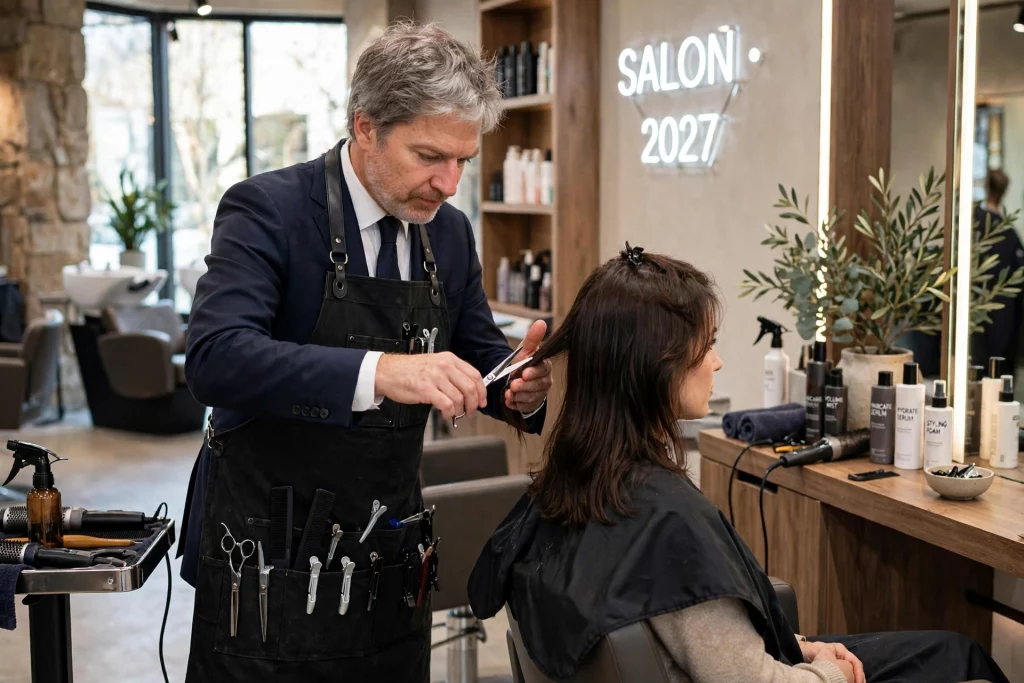
Job market in the states is creating a problem for the mood of the economy and business moral is slipping pre-holiday third .
What is the use for humans? Bots are soon to be the driving force of the American economy, yet how much of our holiday is going to be taken with the service of the economy being serviced too, rude!
What is the use for humans? Bots are soon to be the driving force of the American economy, yet how much of our holiday is going to be taken with the service of the economy being serviced too, rude!
After 100 resumes nothing or very small of businesses reply. Ai has thrown out most resumes.
Can do work in the kitchen,drywall, paint, screen enclosures and can’t find a job
Big dummy! Stop doing drugs and get a new hobby